Go Shawty, It’s Your Birthday
Celebrating America’s 250th in the Vermont wilderness, with 17 and 1/2 Kenyans.

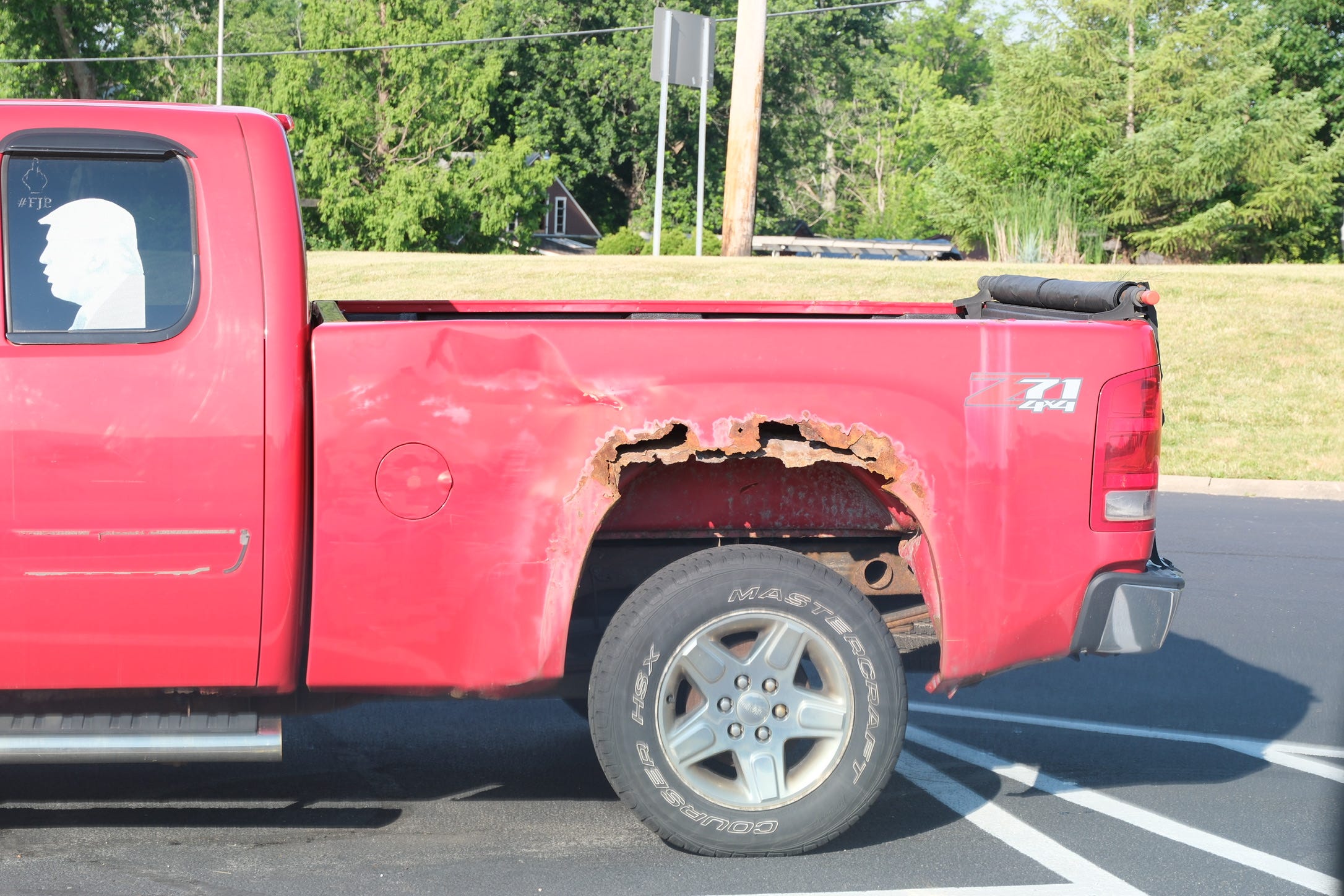
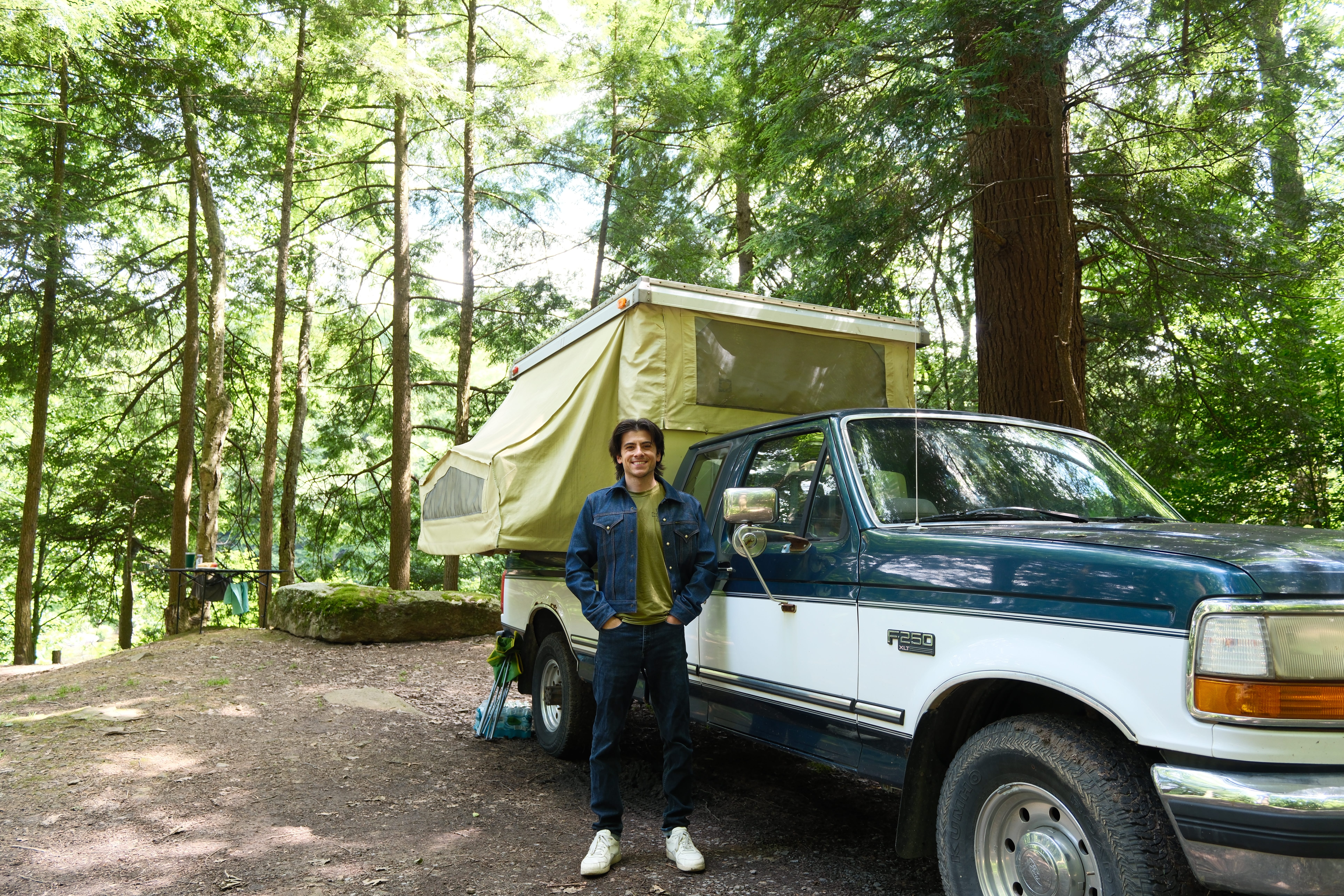
I decided to celebrate America’s 250th birthday with 17.5 Kenyans in the middle of the Vermont wilderness. I — a mostly white American from Minnesota — was honored to receive the invite. It’s not like I was going to turn it down, either. The plan until then had been Philadelphia, because spending the 250th where the whole thing started felt fitting. It also meant a long drive in record-breaking heat in a 1996 F-250 whose AC stopped working somewhere between South Dakota and Iowa.
I met one of the Kenyans, Collins Too, in college, at Cornell in upstate New York, not far from our Vermont wilderness. I was placed randomly into the dorm for international students after the son of the vice president of a major American news corporation bailed on rooming with me. That’s where I met Collins. During college, he came out to visit me in Minnesota, to meet my friends and see my hometown. I returned the favor, traveling to the village where he grew up, ten hours outside Nairobi. The first time I visited Collins, before we had a dollar to either of our names, I got to see his home — tin roof, no toilet, and no hot water. His parents boiled me water on the stove and brought it to me to shower. This was a gesture meant for guests. Incredibly, this was the middle class where Collins grew up.
The half Kenyan, the .5 as it were, is my girlfriend, Theresa Hausmann, who I met in high school in Minnesota. She was the most beautiful person I’d ever seen. Smart, athletic, kind, and humble; people ought to form a line to get a glimpse of her, although I will cut it. Theresa’s Kenyan half is her mother, Helen, who met her father, Peter — a Catholic missionary, the son of South Dakotan farmers — in the ‘80s. Peter died in the Minneapolis bridge collapse two decades ago — one of the largest examples of American infrastructure failing in our history — trying to save a woman drowning in the wreckage in the Mississippi. Helen raised Theresa and her three siblings. One went to an Ivy League school, another became a therapist, another a worker at the refinery in our hometown, and Theresa a law student.
Theresa flew in from Minnesota to spend the holiday with me, Collins, and the sixteen other Kenyans. I hadn’t seen her in a few weeks on account of my road trip, and we hadn’t gotten the chance to speak much, because I had been staying in parks where my iPhone could only manage satellite texting.
Collins, after we graduated college, landed a job at Goldman Sachs, the bank. I have given most of my friends a hard time about the sellout jobs they took after graduation, but I have always given Collins a pass on Goldman. He’d come from nothing, and out of sheer will — plus the support of his two lovely parents, several phenomenal teachers, and an American nonprofit that helped him apply to Cornell — he made it to the highest echelon of American corporate society. The second time I visited Collins’ village, I noticed there was hot water at his house, and a toilet, and his sister was carrying an iPhone. He’d been sending money back every month for two years, it turned out.
In fact, this is the story of most of the sixteen other Kenyans at this 4th of July celebration. Nearly all of them graduated from a prestigious college and now work for a bank, a software company, or a law firm. They each send money home, and believe their life’s mission is to aid and develop their home country. One of them, Gilbert, had flown in from Edmonton, Canada, where he moved after losing the visa lottery in America. I hadn’t seen him in four years, since we graduated Cornell together. Gilbert, an avid news reader, asked me how I was doing after ICE in Minneapolis.
When Collins called and told me he was headed to Vermont for the 4th, and asked if I wanted to come, I enthusiastically said yes. Out of complete serendipity, I had been in the woods of the Finger Lakes — five hours away — living out of my ‘96 Ford and the 1977 Minnesota-manufactured pop-up camper in the bed of the truck. With no AC, I was bouncing between public libraries and McDonald’s, taking full advantage of the hospitality and cool air of both American institutions, but still facing extraordinary heat at night. Collins’ offer of Vermont meant higher elevation, which meant cooler nights, and a floor to sleep on if the heat got worse. After 21 days on the road, having seen so much, that felt worth the five-hour drive.
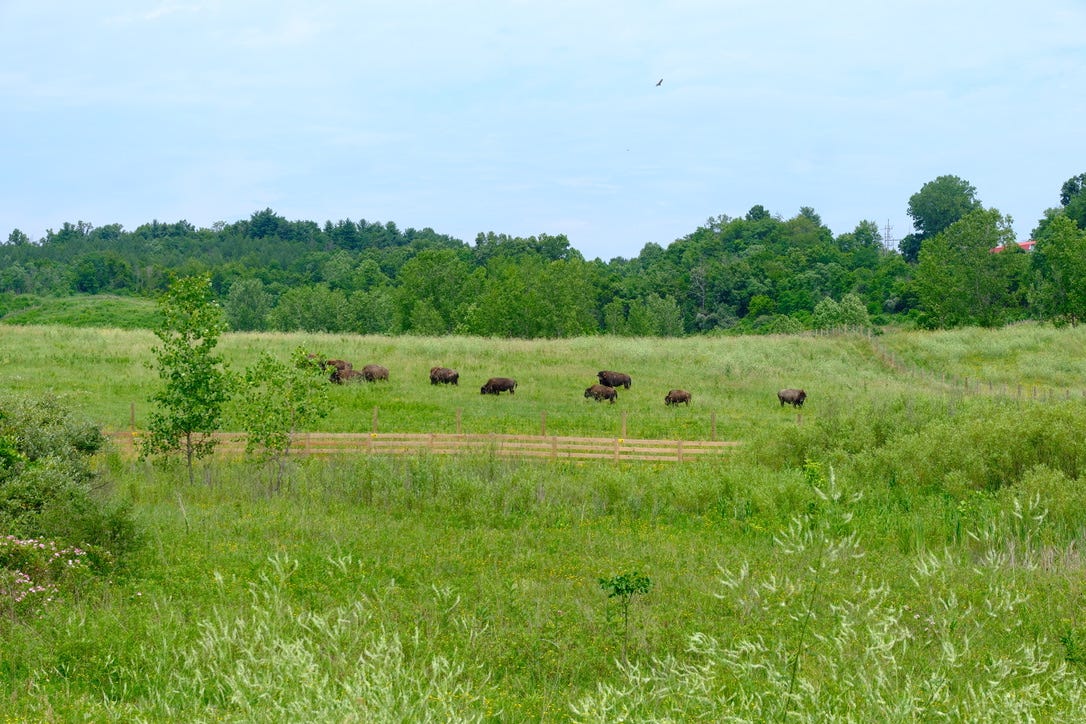
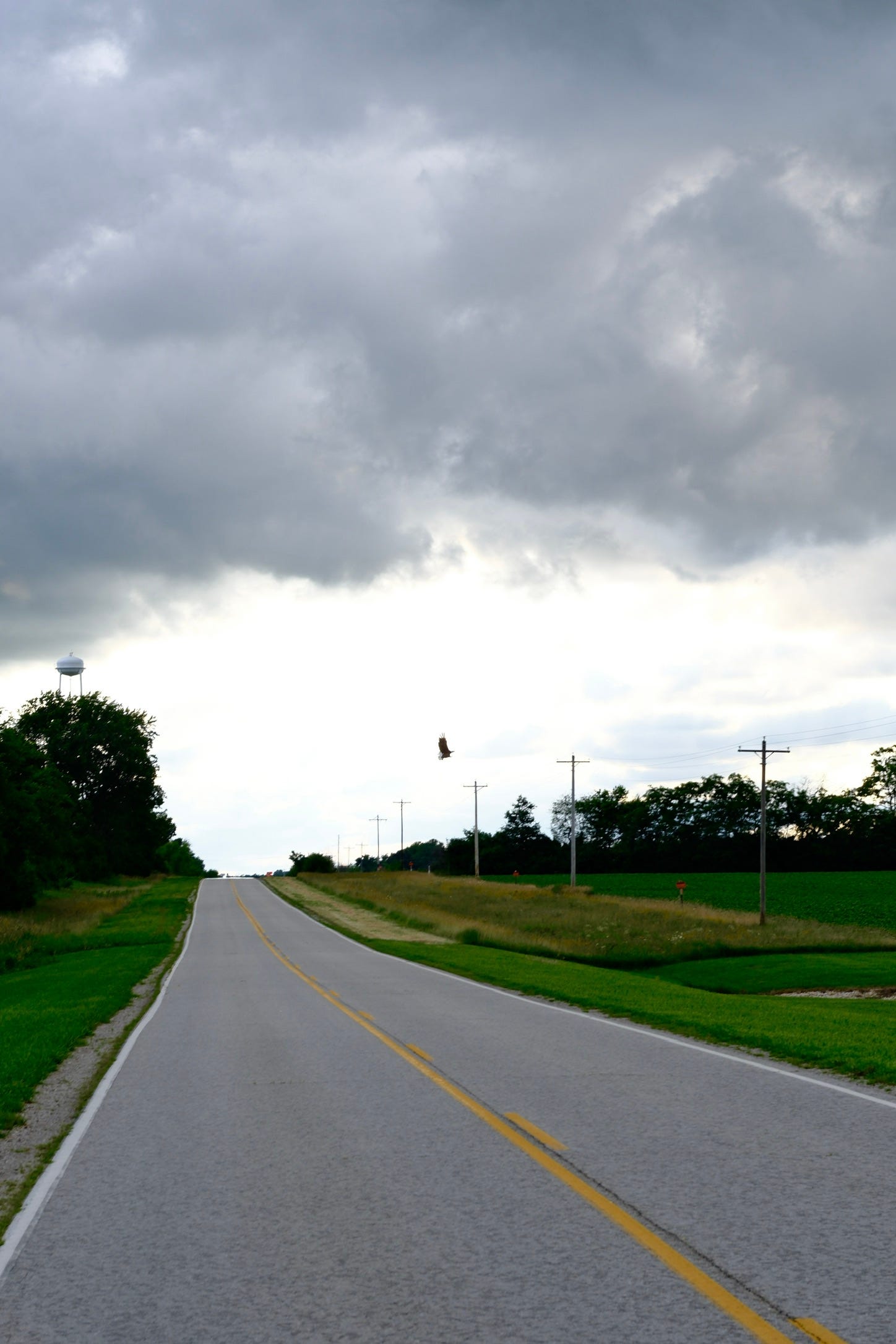
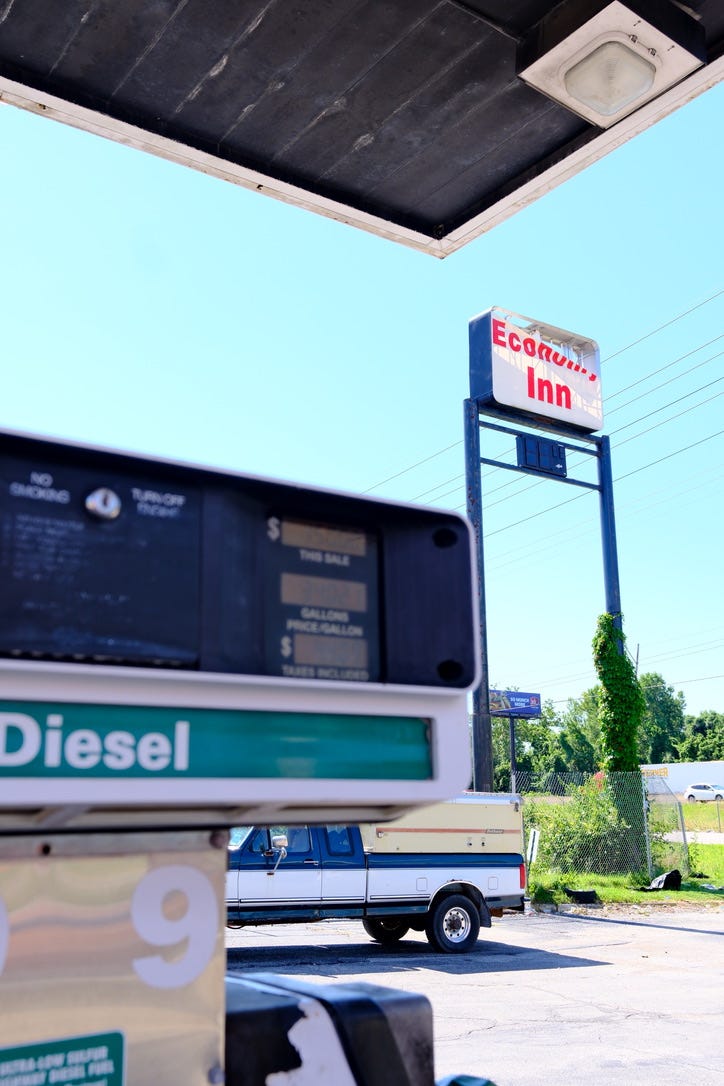
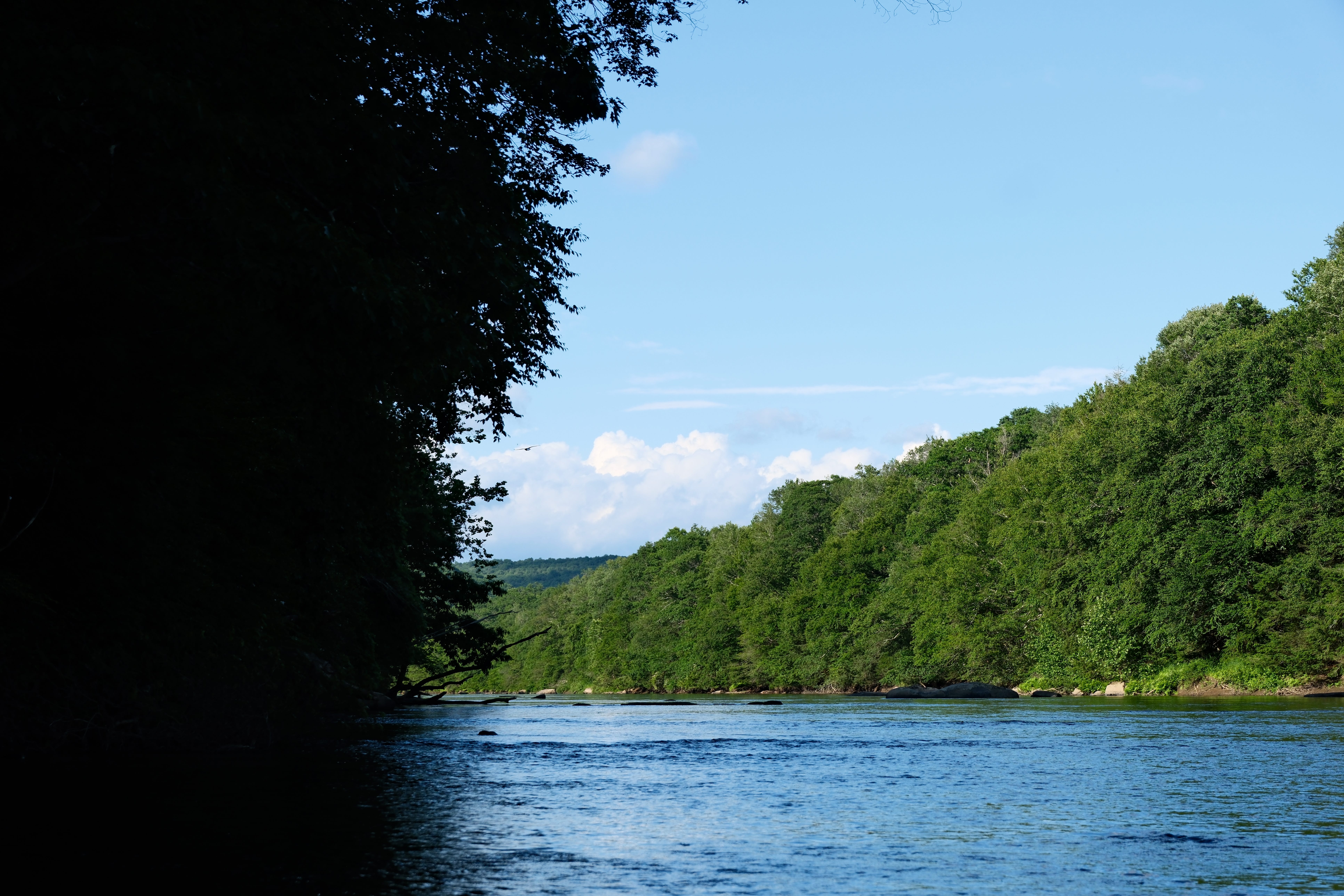
Over the last three weeks, I stayed at a campsite in Sioux Falls, South Dakota, and in casino parking lots in Council Bluffs, Iowa. In Missouri, I slept at a Cracker Barrel outside St. Joe’s and in a forest in Savannah, next to a homeless family of six and a man tearing apart his encampment, high off meth or PCP or some other synthetic hell. That was six days after Elon Musk became a trillionaire. I slept beside three men my age, none of whom believed in the moon landing, next to a river in the Pennsylvania woods, where bald eagles would announce themselves and dip into the river for snacks and shade. The three of them believed we’d gone to space — just that Hollywood had faked the landing to bankrupt the Russians, a theory that is also a plot detail in Interstellar. I slept near a repopulated herd of American buffalo in Ohio, and a stone’s throw from a particle accelerator in Ithaca, New York. All the while, my American-made Ford, and truck camper to boot, chugged away.
Just before that journey, Collins and I were in London, visiting two American friends from college.
It was around 3 a.m. in south London, and my two friends told our group there was a wonderful restaurant 45 minutes away, open all night, serving American food, with an upscale, British twist. The restaurant’s name, Duck & Waffle, was a play on chicken and waffles. “How do you make waffles upscale?” I asked. “You’ll see,” they said. There was another heat wave in full swing, bringing London to nearly 100 degrees in the daytime. We’d survived by buying a fan, drinking lots of water, and wearing sunscreen and shorts all day.
When we arrived at Duck & Waffle downtown, surrounded by behemoth skyscrapers and “posh” clubs, we were greeted by two bouncers wearing black suits. I had never seen a bouncer at a restaurant before, and now I’d seen two. One of them looked at Collins’ shorts — the ones he’d put on hours earlier because of the heat — and told us we were “denied entry,” and that they would not be disclosing why. One member of our group, the daughter of a British diplomat, knew why. Collins wasn’t dressed for the part.
We ate at an American diner for tourists instead. We had looked for a McDonald’s first, though. We knew they would have taken us in.
The Ford chugged the last five hours to Vermont.
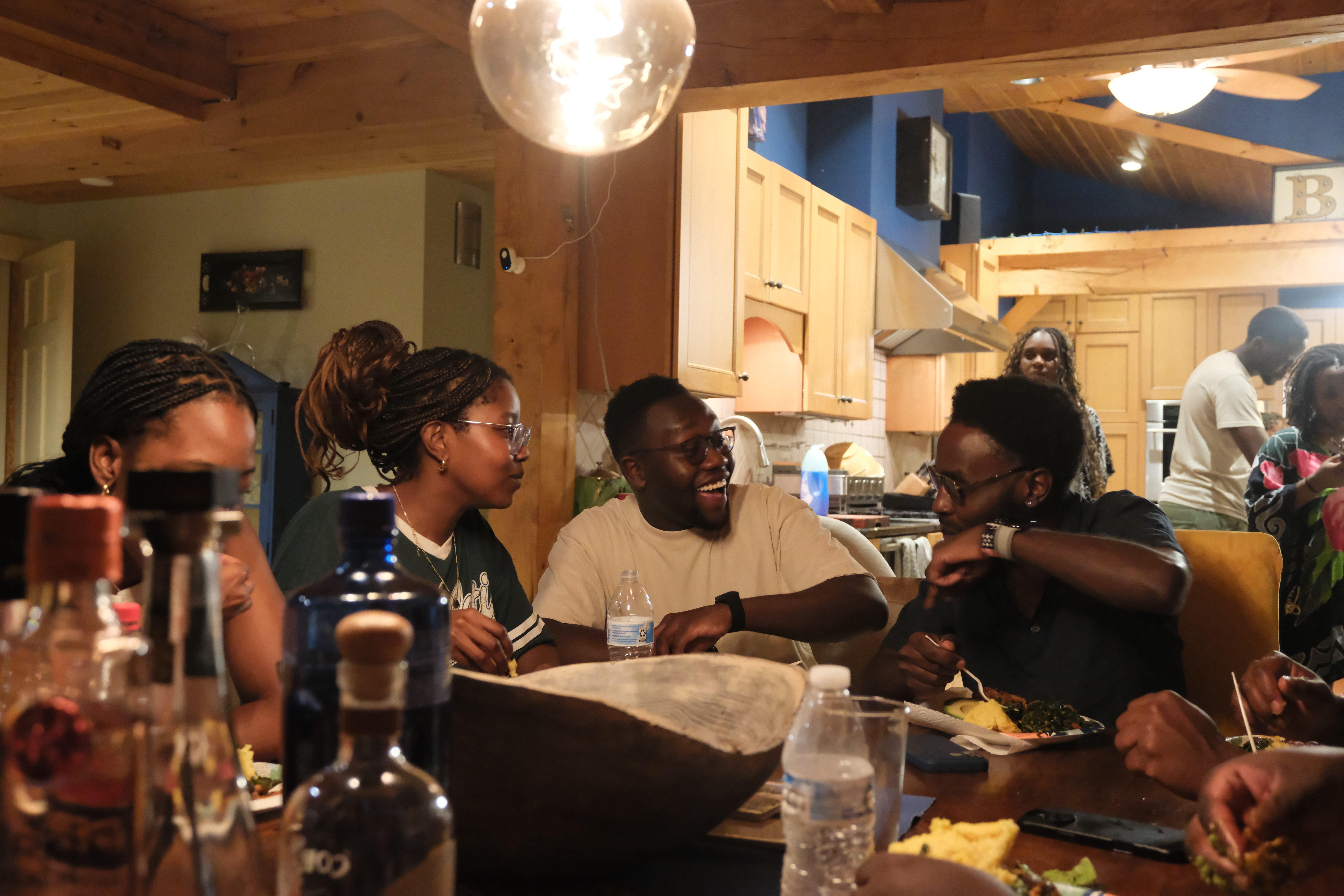
The Airbnb was a cabin tucked into the woods. When I saw Theresa, I picked her up into the air, which is not something satellite texting lets you do. Inside, the cabin was wall-to-wall Kenyans. There was ugali on the counter — the first Kenyan dish I ever tried years ago — and goat. The original plan was a whole goat, abandoned only because no one could fit a whole goat from Costco or an international market in their car. African beats played constantly — the way a river runs. When it got dark, there were fireworks.
Right around midnight, as July 3rd turned into the 4th, somebody put on “In Da Club.” 50 Cent’s signature lyric of that tune is Go shawty. It’s your birthday. A cabin full of Kenyans in the middle of the Vermont wilderness sang along to 50 Cent while the country turned 250 years old.
The house had more Kenyans than beds, so Theresa and I slept out in the camper. The night cooled off, just as advertised. We lay under the glow of a rope light, which ran off my lithium battery — manufactured in China — which had spent the day drinking Vermont sun through a solar panel with a similar origin. A 1996 Ford, built in America; a 1977 camper, built in Minnesota; a battery and panel built in China in 2026, invented in America long ago but made and perfected elsewhere. All of it humming along together in the dark.
I’m writing this on the 4th, from my truck, as 17.5 Kenyans enjoy the Vermont wilderness and the country I call home. The beats haven’t stopped. The party hasn’t ended. Try writing this story in any other country on this Earth and see if it makes a lick of sense.
It won’t.
Go shawty. It’s your birthday.